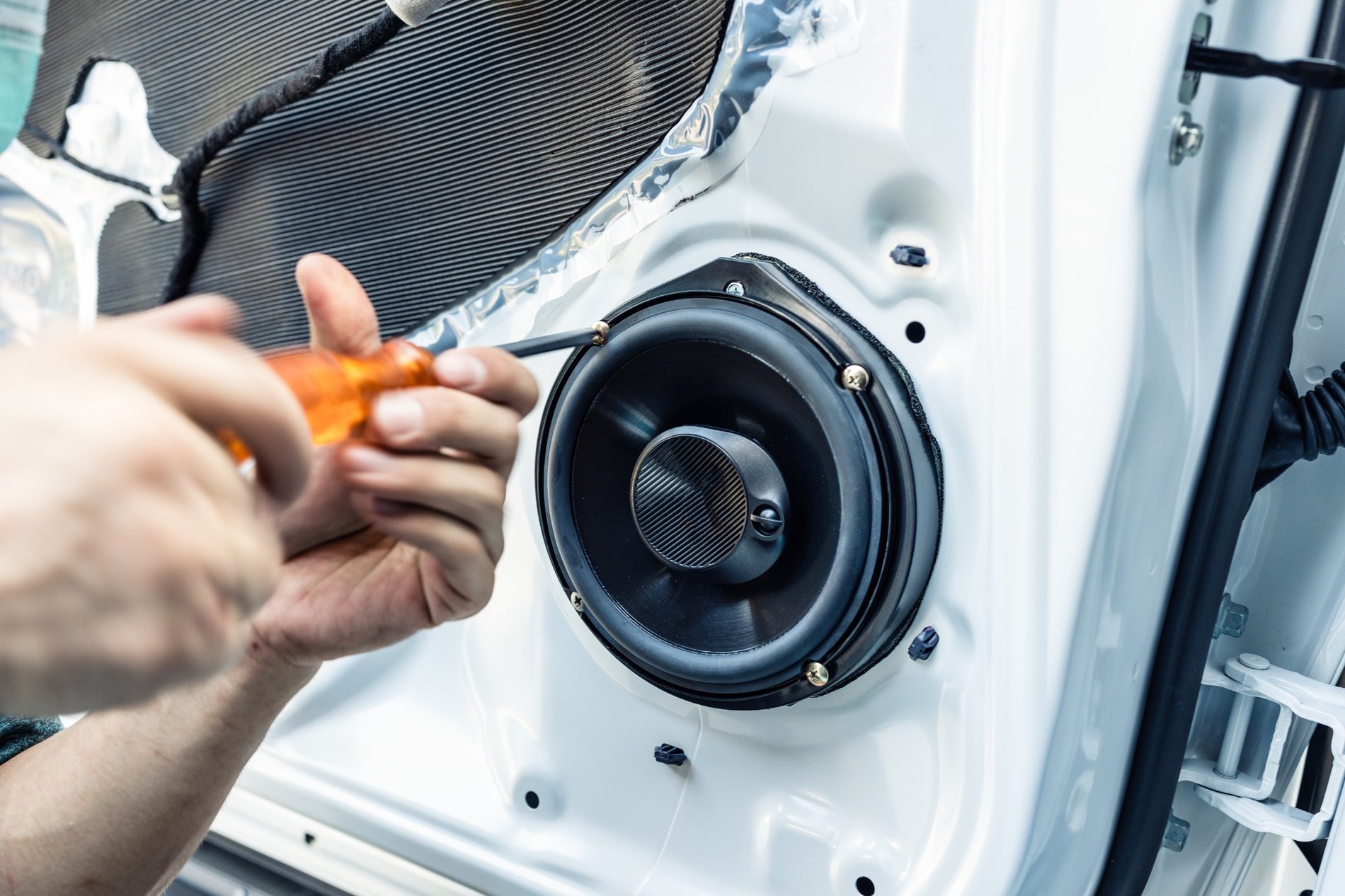

Your car’s audio system plays a crucial role in making every journey enjoyable, whether you’re commuting to work or embarking on a weekend road trip. However, many drivers continue to endure poor sound quality from their factory speakers without realising when to upgrade car speakers for a dramatically improved listening experience. Understanding the telltale signs that indicate it’s time for new speakers can transform your driving experience and help you make informed decisions about your vehicle’s audio system.
Factory speakers are designed to meet basic requirements whilst keeping costs low during vehicle manufacturing. Over time, these speakers deteriorate due to constant use, temperature fluctuations, and exposure to moisture. Recognising the warning signs early allows you to address audio issues before they completely compromise your listening pleasure. Modern replacement speakers for car use offer significant improvements in sound clarity, bass response, and overall audio quality that can make every drive more enjoyable.
Factory car speakers serve their purpose for basic audio needs, but they’re typically built with cost-effectiveness rather than audio excellence in mind. Most vehicle manufacturers install speakers that meet minimum standards whilst keeping production costs low. These speakers often use cheaper materials like paper cones, basic magnets, and lightweight construction that prioritises durability over sound quality.
Age-related deterioration affects all car speakers, regardless of their initial quality. The constant vibration from driving, temperature extremes, and humidity exposure gradually degrade speaker components. Foam surrounds become brittle and crack, voice coils lose their alignment, and magnets weaken over time. These changes occur gradually, making it easy to overlook the declining audio quality until the degradation becomes severe.
Performance expectations have evolved significantly with advances in audio technology. Modern music streaming services deliver high-quality audio that reveals the limitations of older speaker systems. If you’ve noticed that your favourite songs don’t sound as crisp or detailed as they do through quality headphones or home speakers, your car speakers may be the limiting factor.
Sound quality decline indicators often develop subtly over months or years. You might find yourself constantly adjusting the equaliser settings or increasing the volume to achieve satisfactory sound levels. Bass response may become muddy or non-existent, whilst high frequencies might sound harsh or distorted. These symptoms suggest that your speakers are no longer capable of accurately reproducing the full range of audio frequencies.
Environmental factors also accelerate speaker degradation in vehicles. Australian climate conditions, with intense heat and humidity variations, can be particularly harsh on speaker components. UV exposure through windows can deteriorate speaker cones and surrounds, whilst moisture from air conditioning or weather can cause corrosion and electrical issues.
Recognising the specific symptoms of failing speakers helps you determine whether replacement is necessary or if other audio system components might be causing issues. These warning signs typically become more pronounced over time and can significantly impact your listening experience.
When speakers begin to fail, they struggle to reproduce audio accurately, especially at moderate to high volume levels. You might notice that vocals sound muffled or unclear, or that certain instruments seem to disappear from the mix. This distortion occurs because damaged speaker components can no longer move smoothly to create accurate sound waves.
Distortion often starts subtly, affecting only certain frequency ranges or specific types of music. Rock music with heavy bass might sound muddy, whilst classical music may lack the delicate detail in string sections. As the problem progresses, distortion becomes noticeable across all music genres and volume levels.
Crackling sounds typically indicate physical damage to speaker cones or electrical issues within the speaker assembly. These noises often occur when bass-heavy music plays or when you increase the volume. The crackling might be intermittent initially but usually becomes more frequent and noticeable over time.
Popping sounds can indicate loose connections, damaged voice coils, or debris interfering with speaker movement. These sounds are particularly noticeable during quiet passages in music or when the audio system first powers on. Ignoring these symptoms can lead to complete speaker failure.
A completely blown speaker produces no sound at all or creates severely distorted audio that’s barely recognisable as music. You might hear rattling sounds as loose components move freely within the speaker housing. In some cases, blown speakers produce a constant buzzing or humming noise even when no audio is playing.
Visual inspection can reveal blown speakers through visible tears in the speaker cone, separated surrounds, or obviously damaged components. However, internal damage isn’t always visible, making audio testing the most reliable diagnostic method.
When speakers fail at different rates, you’ll notice that sound seems to come primarily from one side of the vehicle or that certain speakers are significantly quieter than others. This imbalance affects the stereo imaging and makes it difficult to enjoy music as the artist intended.
Uneven sound distribution can also result from speakers having different frequency responses due to varying degrees of wear. One speaker might emphasise bass frequencies whilst another lacks high-frequency detail, creating an inconsistent listening experience throughout the vehicle.
Healthy speakers should reproduce the full range of audible frequencies from deep bass to crisp highs. When speakers begin to fail, they often lose their ability to reproduce certain frequency ranges effectively. You might notice that bass sounds weak and undefined, or that high frequencies sound harsh and fatiguing.
These frequency response problems become particularly apparent when listening to familiar music. Songs that once sounded full and balanced may seem thin or lacking in certain elements. Professional car stereo installation Sydney services can help diagnose these issues and recommend appropriate speaker replacements.
Selecting the right replacement speakers requires careful consideration of several technical and practical factors. The goal is to find speakers that not only fit your vehicle but also deliver the sound quality and performance characteristics you desire within your budget constraints.
The first step when putting new speakers in car is determining the exact speaker size for your car. Most vehicles use standard sizes, but some have unique mounting requirements or space constraints that limit your options. Common sizes include 6.5-inch, 6×9-inch, and 5.25-inch speakers, though many other sizes exist. If you are unsure what size speakers fit your car in Australia, refer to your vehicle manual or ask a specialist before purchasing.
Measuring your existing speakers provides the most accurate size information. Remove the speaker grilles and measure the diameter of round speakers or the length and width of oval speakers. Also, measure the mounting depth to ensure new speakers will fit within the available space without interfering with windows, door panels, or other components.
Speaker power handling specifications indicate how much power the speakers can safely handle from your car’s amplifier or head unit. RMS (Root Mean Square) power ratings provide the most meaningful measurement, representing the continuous power the speaker can handle without damage.
Matching speaker power handling to your audio system’s output ensures optimal performance and prevents damage. Most factory head units produce 15-25 watts RMS per channel, whilst aftermarket units may produce 50 watts or more. Choose speakers with RMS ratings that match or slightly exceed your amplifier’s output for best results.
Peak power ratings, whilst often prominently displayed, are less useful for matching components. These inflated numbers represent theoretical maximum power handling under ideal conditions and don’t reflect real-world performance capabilities.
Frequency response specifications indicate the range of audio frequencies a speaker can reproduce and how evenly it reproduces them across that range. Human hearing typically spans from 20Hz to 20kHz, though most people can’t hear the extreme ends of this range.
Look for speakers with frequency response ranges that extend from at least 50Hz to 20kHz for full-range reproduction. However, the shape of the frequency response curve matters more than the absolute range. Speakers with relatively flat response curves reproduce music more accurately than those with significant peaks or dips.
Among the most common types of speakers for car use are coaxial speakers, which combine multiple drivers (woofer, tweeter, and sometimes midrange) in a single unit. This makes them easy to install as direct factory replacement speakers for car applications. They offer good sound quality and convenience, making them a popular choice for straightforward upgrades.
Component speakers separate the drivers into individual units, allowing for more precise placement and better sound staging. The tweeter can be mounted at ear level whilst the woofer handles lower frequencies from the door panel. This separation typically provides superior sound quality but requires more complex installation.
Established audio brands like Alpine, Pioneer, Kenwood, and Focal offer proven track records of quality and reliability. These manufacturers invest heavily in research and development, resulting in speakers that deliver consistent performance and durability.
Budget considerations shouldn’t override quality entirely, as cheap speakers often fail prematurely and provide poor sound quality. Mid-range speakers from reputable brands typically offer the best balance of performance, features, and value for most applications.
Some speaker upgrades require additional components like crossovers, amplifiers, or custom mounting solutions. Component speaker systems, in particular, may need professional installation to achieve optimal performance. Consider whether you have the skills and tools necessary for proper installation or if professional services would be more appropriate.
Professional installation ensures proper wiring, secure mounting, and optimal positioning for best sound quality. Experienced installers can also recommend speakers that work well with your specific vehicle and listening preferences. Quality car audio systems installation can make a significant difference in the final sound quality, regardless of the speakers chosen.
Upgrading your car speakers delivers immediate and long-term benefits that extend far beyond simple volume increases. Modern speakers incorporate advanced materials and engineering that dramatically improve every aspect of your listening experience.
New speakers reveal musical details that factory speakers simply cannot reproduce. You’ll hear subtle instrumental nuances, vocal inflections, and ambient sounds that were previously masked by poor speaker performance. This improved clarity makes familiar songs sound fresh and engaging, as if you’re hearing them for the first time.
The difference becomes particularly apparent with complex musical arrangements where multiple instruments play simultaneously. Upgraded speakers separate these elements clearly, allowing you to follow individual parts whilst appreciating the overall composition. This separation, known as imaging, creates a more immersive and enjoyable listening experience.
Quality replacement speakers typically feature larger, more robust woofers with stronger magnets and better cone materials. These improvements result in deeper, more controlled bass that adds weight and impact to your music without becoming muddy or overwhelming.
Better bass response doesn’t just benefit bass-heavy music genres. Even classical music and acoustic performances benefit from accurate low-frequency reproduction, as it provides the foundation that makes music sound natural and complete. The improved bass also reduces the need to turn up the volume to achieve satisfying sound levels.
Modern tweeters use advanced materials like silk, aluminium, or titanium that reproduce high frequencies with exceptional clarity and smoothness. These improvements make cymbals shimmer, vocals sound more natural, and string instruments display their characteristic brightness without harshness.
Extended high-frequency response also improves the perception of space and ambience in recordings. You’ll notice reverb tails, room acoustics, and other subtle details that contribute to the overall realism of the listening experience.
Upgraded speakers handle sudden volume changes and musical dynamics more effectively than factory units. This capability allows you to hear the full emotional impact of music, from whisper-quiet passages to powerful crescendos, without distortion or compression.
Improved dynamic range makes music more engaging and less fatiguing during long drives. You won’t need to constantly adjust volume levels as different songs play, and you’ll experience less listening fatigue even during extended listening sessions.
Modern speakers often convert electrical energy to sound more efficiently than older designs. This efficiency means you’ll achieve higher volume levels with less power, reducing strain on your car’s electrical system and potentially improving fuel economy slightly.
Higher efficiency also means less heat generation within the speakers, contributing to longer component life and more reliable performance over time.
Quality audio upgrades can increase your vehicle’s resale value, particularly if the installation is professional and uses reputable brands. Many buyers consider good audio systems desirable features, especially in vehicles where they spend significant time commuting.
The improvement in daily driving enjoyment also represents excellent value for the investment. Consider how many hours you spend in your vehicle annually – upgrading the audio system improves every minute of that time.
The decision between professional installation and DIY replacement depends on several factors including your technical skills, available tools, time constraints, and the complexity of your chosen speaker system. Both approaches have distinct advantages and potential drawbacks that merit careful consideration.
Professional installation for car speakers offers several compelling advantages, particularly for complex upgrades or valuable vehicles. Experienced installers possess specialised tools, extensive knowledge of vehicle-specific installation challenges, and the expertise to optimise speaker placement for best sound quality. When installing new speakers in car door panels or custom locations, professionals can also identify and address potential issues before they become problems.
Professional installers understand the nuances of different vehicle acoustics and can recommend speaker positioning and tuning adjustments that maximise performance. They’re also familiar with common installation pitfalls and know how to avoid damage to vehicle trim, wiring, or other components during the installation process.
Warranty considerations often favour professional installation. Many speaker manufacturers require professional installation to maintain warranty coverage, particularly for higher-end products. Professional installers also typically provide their own workmanship warranties, giving you additional protection against installation-related issues.
DIY installation can be rewarding and cost-effective for straightforward speaker replacements, particularly coaxial speakers that directly replace factory units. Basic installations often require only simple hand tools and can be completed in a few hours. Online tutorials and vehicle-specific guides make DIY installation more accessible than ever before.
However, DIY installation requires honest assessment of your skills and available time. Mistakes during installation can damage expensive speakers, vehicle components, or electrical systems. Some vehicles have complex door panel removal procedures or hidden fasteners that can be challenging for inexperienced installers.
Tool requirements vary significantly depending on the installation complexity. Basic coaxial speaker replacement might need only screwdrivers and wire strippers. For component systems, you will also need a wiring harness for car speakers, specialised mounting hardware, soldering equipment, and acoustic dampening materials. Fitting the wiring harness correctly is a critical step that protects both your speakers and your vehicle’s electrical system.
The complexity increases substantially with component speaker systems that require separate tweeter mounting, crossover installation, and custom wiring. These installations often involve running new wires through door jambs, mounting tweeters in optimal locations, and properly configuring crossover networks for best performance.
Consider the value of your time when comparing professional and DIY installation costs. Professional installation might cost several hundred dollars, but it typically includes proper setup, testing, and adjustment that ensures optimal performance from your investment.
For those seeking the best possible results, professional installation through experienced professional car audio specialists ensures that your new speakers perform to their full potential whilst maintaining your vehicle’s integrity and warranty coverage.
Proper maintenance extends speaker life and preserves sound quality long after installation. Simple care practices can prevent premature failure and ensure your investment continues delivering excellent performance for years to come.
Volume management represents the most critical aspect of speaker maintenance. Consistently playing music at maximum volume stresses speaker components and accelerates wear. Modern speakers can handle brief peaks at high volume, but sustained high-volume listening causes heat buildup and mechanical stress that shortens component life.
Pay attention to distortion signals that indicate you’re pushing your speakers beyond their capabilities. If you hear any harshness, crackling, or loss of clarity, reduce the volume immediately. These symptoms indicate that speaker components are reaching their mechanical or thermal limits.
Environmental protection helps preserve speaker components in Australia’s challenging climate conditions. Park in shaded areas when possible to reduce interior temperatures and UV exposure. Excessive heat can cause speaker surrounds to deteriorate and voice coils to fail prematurely.
Moisture control is equally important for speaker longevity. Use air conditioning to reduce humidity levels inside your vehicle, and address any water leaks immediately. Moisture can cause corrosion, electrical problems, and mould growth that damages speaker components and creates unpleasant odours.
Regular cleaning maintains both appearance and performance. Use a soft brush or compressed air to remove dust and debris from speaker grilles and cones. Avoid using liquids or harsh chemicals that might damage speaker materials or electrical connections.
Electrical system maintenance indirectly affects speaker performance and longevity. Ensure your vehicle’s charging system maintains proper voltage levels, as both overvoltage and undervoltage conditions can damage audio equipment. Have your battery and alternator tested regularly, particularly if you notice dimming lights or other electrical issues.
Audio system settings require periodic review and adjustment. Avoid excessive bass or treble boost settings that force speakers to work harder than necessary. Use equaliser settings judiciously, and consider professional tuning to optimise your system’s performance for your vehicle’s acoustics.
Professional maintenance services can identify potential issues before they cause speaker failure. Annual inspections can detect loose connections, damaged components, or environmental damage that might not be immediately apparent. Early intervention often prevents minor issues from becoming expensive repairs.
Consider the acoustic environment within your vehicle when maintaining optimal sound quality. Adding sound dampening materials to door panels can reduce vibration and improve speaker performance. However, ensure any modifications don’t interfere with window operation or safety systems.
The investment in quality speakers transforms your daily driving experience whilst adding value to your vehicle. Whether you choose basic coaxial replacements or premium component systems, the improvement over factory speakers will be immediately apparent. Professional installation ensures optimal performance and protects your investment, whilst proper maintenance preserves that performance for years to come.
For expert advice on speaker selection and professional installation services, contact us to discuss your specific needs and vehicle requirements. Our experienced team can help you choose the perfect speakers for your listening preferences and budget, ensuring you get the maximum benefit from your audio system upgrade.
